

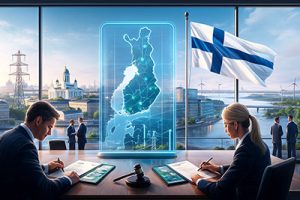
 Finland is taking a major step in direction of reshaping its playing market, transferring away from its state-controlled monopoly to a aggressive licensing system. This shift is about to happen in 2027, with the introduction of a dual-licence framework aimed toward making certain larger competitors and regulatory oversight. The brand new laws, HE 16/2025, lays the groundwork for the transition and introduces new licensing necessities for each operators and recreation software program suppliers.
The New Twin-Licence Mannequin
On the coronary heart of Finland’s forthcoming playing reform is the creation of two distinct licences: one for operators and one for software program suppliers.
The Playing Recreation Licence (rahapelitoimilupa) shall be issued to operators providing on-line betting and on line casino video games comparable to slots, video poker, and bingo. Purposes for this licence will open in early 2026, and the licences shall be legitimate for 5 years. Operators will face a tax fee of twenty-two% on their Gross Gaming Income (GGR), making certain that each native and worldwide operators are topic to the identical monetary framework.
In the meantime, a Recreation Software program Licence (peliohjelmistotoimilupa) shall be required for B2B suppliers concerned within the improvement or modification of playing software program. This new licensing regime would require operators to make use of solely software program from licensed suppliers, thus strengthening the integrity of the availability chain. The applying course of for this software program licence will start in early 2027, with full compliance mandated by January 2028.
Structural Modifications for Veikkaus
To adjust to European Union competitors legal guidelines and guarantee a good and aggressive market, Finland’s state-owned playing operator, Veikkaus Oy, will endure a significant structural reform. The corporate shall be divided into two separate authorized entities:
The Monopoly Entity: This entity will keep unique rights over Finland’s nationwide lottery, bodily slot machines, and land-based casinos. The monopoly licence shall be legitimate for 10 years, preserving Veikkaus’s dominance in these areas.
The Aggressive Entity: A separate division inside Veikkaus shall be shaped to compete immediately within the on-line playing sector. This entity will function beneath the identical guidelines as non-public operators, together with the 22% GGR tax fee and the five-year licence length.
This restructuring ensures that Veikkaus can proceed working in its conventional sectors whereas permitting new gamers to enter the aggressive on-line betting and on line casino markets.
Regulatory Oversight and Trade Impression
The Finnish playing market shall be overseen by a newly established supervisory physique, the Allow and Supervision Company (Lupa- ja valvontavirasto). This company shall be accountable for implementing the brand new licensing necessities and making certain that operators and suppliers adjust to the rules. Will probably be funded by charges levied on the playing trade, making the system self-sustaining.
A key function of the reform is the introduction of obligatory B2B provider licensing. That is designed to create a extra accountable provide chain, as operators will solely be capable to supply software program from licensed suppliers. The intention is to shut any loopholes which have allowed unregulated operators to function in Finland’s gray market.
The brand new regulatory framework is predicted to restrict the affect of offshore operators, who’ve traditionally taken benefit of Finland’s earlier lack of oversight. By mandating provider licensing, the brand new system will make it more and more tough for unlicensed firms to supply playing companies within the nation.
What This Means for Operators and Suppliers
For operators, the transfer to a aggressive licensing surroundings will deliver each alternatives and challenges. With a extra clear market, operators can have the possibility to compete for licences and provide a wider vary of playing merchandise to customers. Nevertheless, the licensing necessities may also improve the regulatory burden, and operators might want to guarantee compliance with all new guidelines, notably the usage of licensed software program.
B2B suppliers will face related challenges. These wishing to function in Finland’s newly regulated market might want to apply for a licence and cling to the strict pointers governing the availability of playing software program. Suppliers who fail to fulfill the necessities shall be excluded from the Finnish market, considerably impacting their capacity to do enterprise in one in all Europe’s largest playing markets.
The Way forward for Finland’s Playing Market
Finland’s transition to a dual-licence system represents a daring transfer towards modernising its playing trade. The nation is in search of to stability competitors with regulatory oversight, making certain that each customers and operators profit from a good and clear system. By 2027, Finland’s playing market will seemingly be much more aggressive, with a wider vary of licensed operators and suppliers providing progressive merchandise.
This new regulatory mannequin additionally brings Finland consistent with different European international locations which have adopted aggressive licensing programs, paving the way in which for larger integration inside the EU’s single marketplace for playing companies. As Finland strikes nearer to implementing these reforms, stakeholders within the playing trade might want to put together for a extra rigorous and clear regulatory surroundings.
Supply:
Finland confirms dual-licence framework for 2027 market opening, gamblinginsider.com, December 3, 2025


